The Ask A Lawyer In The Library program is a civil, non-family law, self-help program sponsored by The Anne Arundel Bar Association and the Maryland Volunteer Lawyers Service. Every Wednesday, from 11:00 a.m. to 1:00 p.m., you can talk with a volunteer attorney for up to 20 minutes. No appointment is necessary, but sign-up is required at the law library’s information desk. Sign-up begins at 10:45 a.m., and time slots are determined by a lottery.
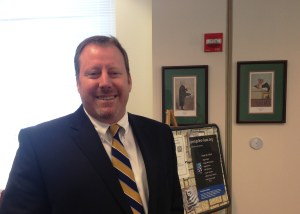
On Wednesday, May 3, 2017, the Law Library hosted another successful Ask A Lawyer In The Library program. Mike Ragland and Jack Paltell, both retired, were on hand to assist seven people who requested help with issues such as the recognition of a foreign judgment, employment law, concerns about illegal surveillance, identity theft, landlord/tenant – harassment, guardianship and consumer protection.
The next program date is Wednesday, May 10, 2017. In addition, the Ask A Lawyer In the Library program is also hosted at two Anne Arundel County Public Library branches: the Glen Burnie Regional Library on the 3rd Wednesday of the month and the Eastport-Annapolis Neck Community Library on the last Tuesday of every month. The programs at these public library branches are held from 4:30 to 6:30. Sign-up at both locations is at 4:15 p.m., and time slots are determined by lottery.
More information about the program is available at http://circuitcourt.org/legal-help/lawyer-in-the-library. The Ask A Lawyer In The Law Library program is a limited legal advice service. The program is not a substitute for representation.
Do you have a family law matter? Family Law matters are best addressed by the Family Law Self-Help Center which is located in the back of the Law Library. For more information: http://www.circuitcourt.org/legal-help/family-law
Do you have a criminal case? The Office of the Public Defender provides legal services to eligible individuals. Information about the Office fo the Public Defender is available at http://www.opd.state.md.us
Need help with the District Court matter such as landlord/tenant, small claims (less than $5,000), consumer matters, or return of property (replevin and detinue)? The District Court Self-Help Resource Center provides limited legal services for people who are not represented by an attorney. Services are provided in-person in Glen Burnie, Upper Marlboro and Salisbury. More information is available at http://www.courts.state.md.us/legalhelp/districtselfhelpctr.html
Help with family and civil questions is available by phone and online chat from the Maryland Courts Self Help Center, Monday through Friday from 8:30 a.m. until 8:00 p.m. More information and a link for chat can be found here: http://www.mdcourts.gov/selfhelp/index.html#maryland

 On May 1st, we celebrate the rule of law and the role of the law and legal processes, including the court system, in promoting democracy and freedom through our celebration of

 in two volunteer attorneys, Jennifer L. Wazenski and David Mitchell, who were able to help 4 people to determine if their charges could be removed from their record and prepare the paperwork if they were. (A fifth person had a question about a Virginia criminal charge. We were able to direct her to information for Virginia at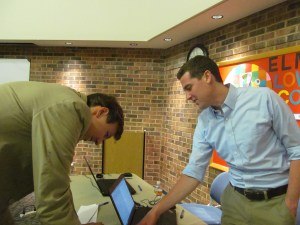

 AACPLL Blog: Law Library News